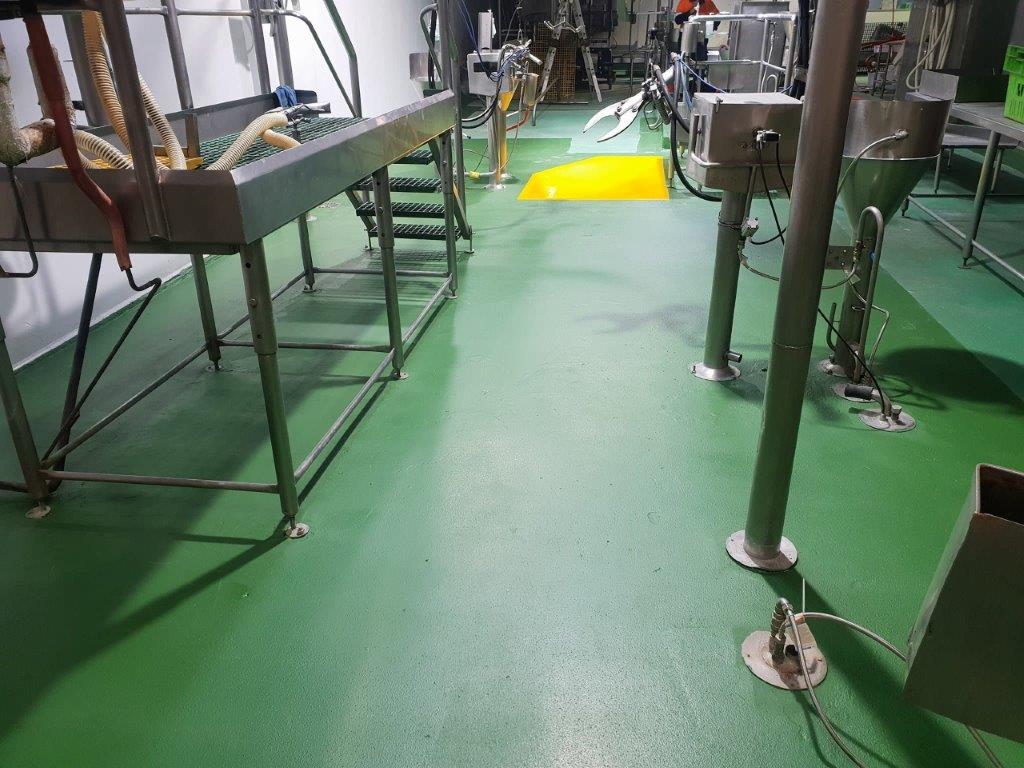
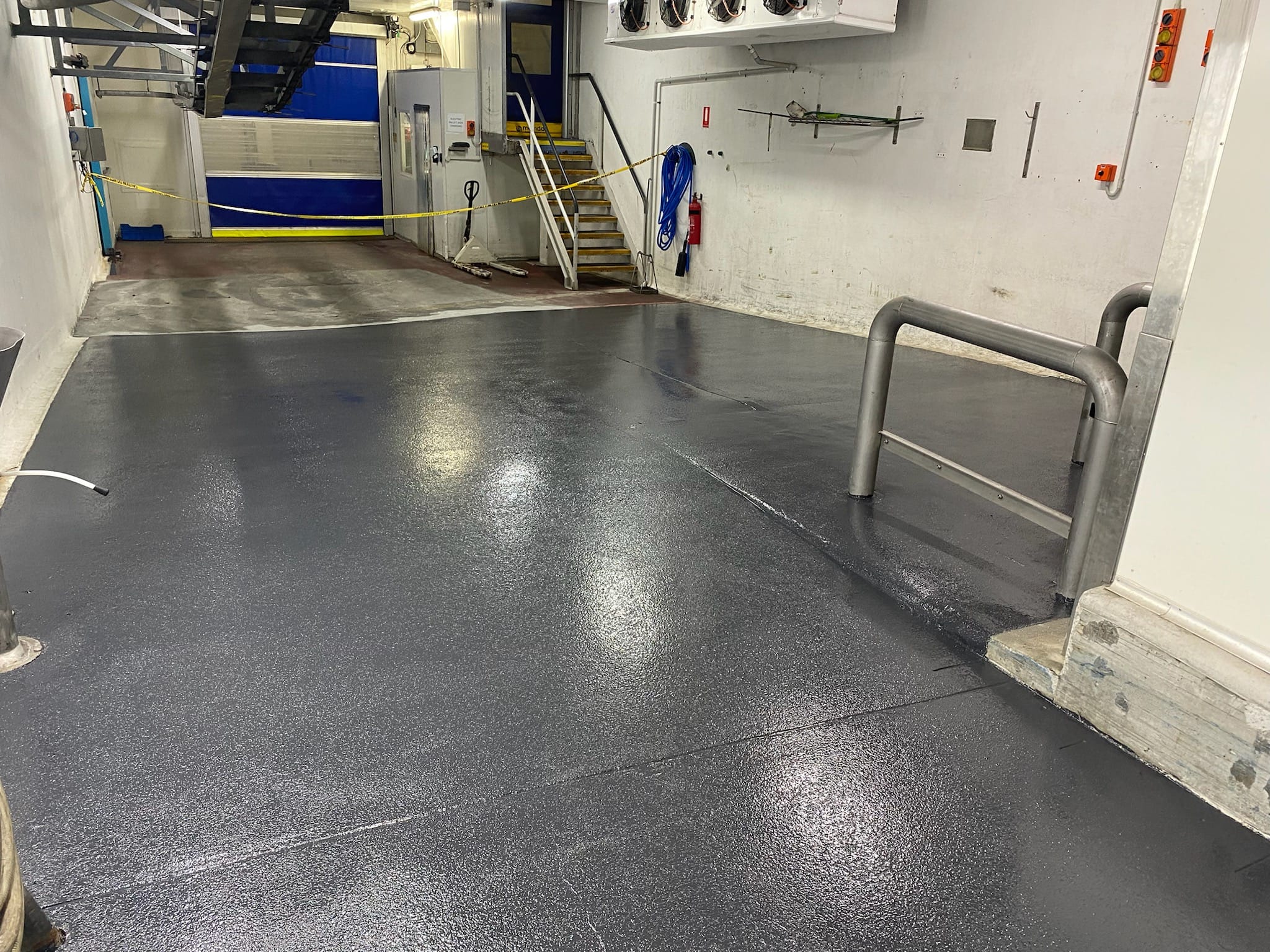
Abattoir & Meat Processing Flooring
The hardest floor environment we work in. Systems built for fat, blood, bone dust, hot wash-down and the caustics used to remove all of it.
Nothing Punishes A Floor Like A Meat Works
Everything that attacks a floor coating happens in a meat processing plant, usually in the same room and usually every day.
Animal fats and blood carry organic acids that break down standard coatings. Bone dust and dropped equipment take the surface mechanically. Then the whole lot gets washed down with hot water, steam and heavy caustic detergents, which attacks the coating from the top while the temperature swing works on the bond underneath.
A standard epoxy in a boning room or a slaughter floor is not a long-term proposition. It is why almost every wet area in a meat plant gets polyurethane cement.
What We Specify
Polyurethane cement, laid at thickness
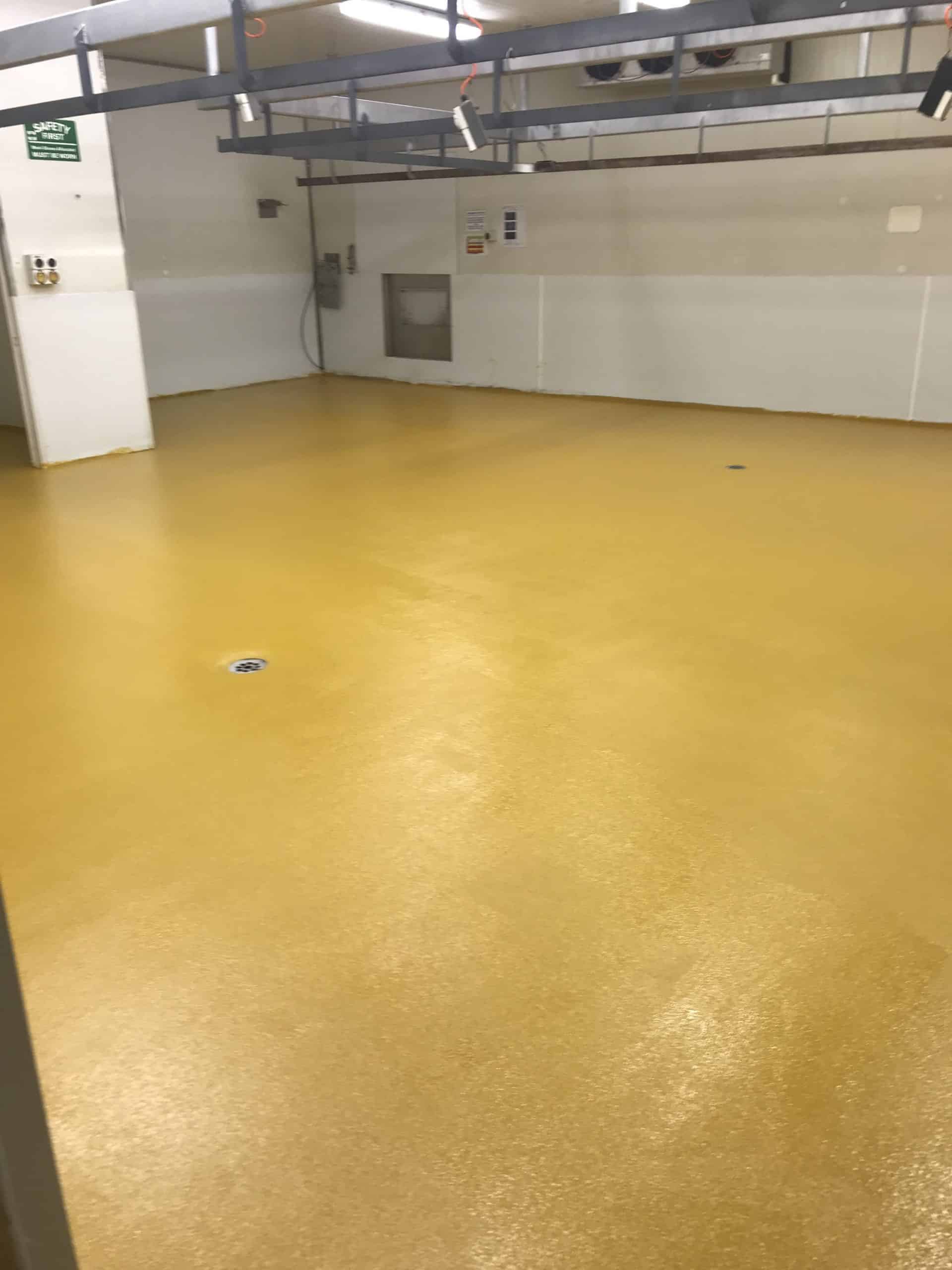
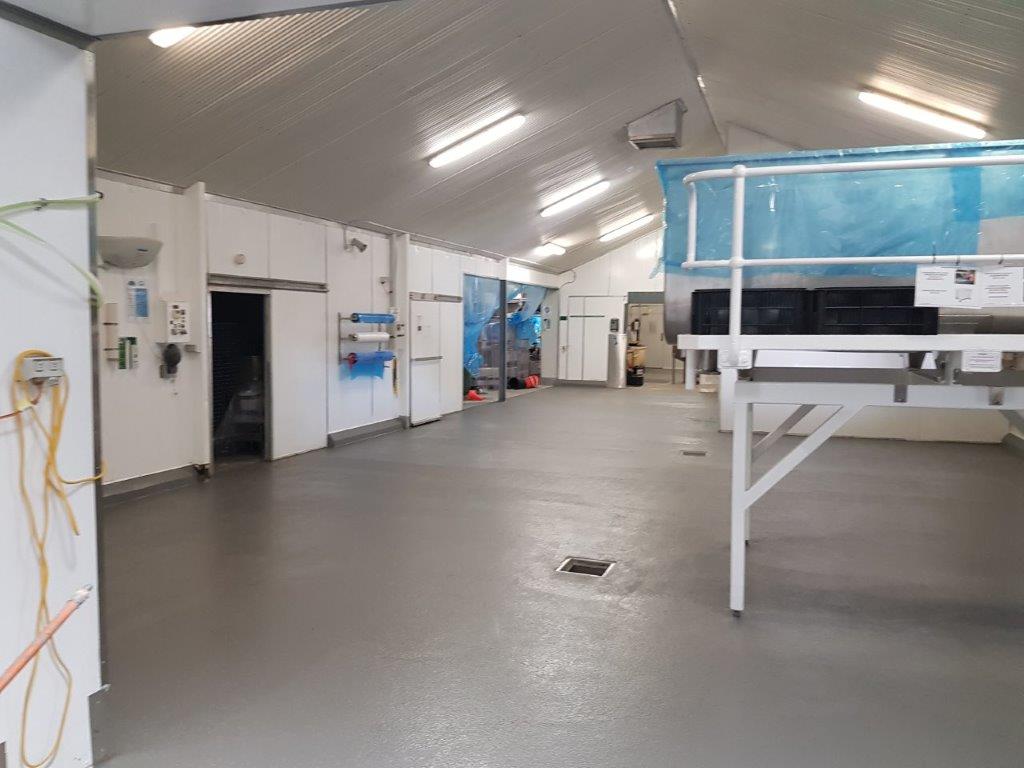
It expands and contracts at close to the same rate as the slab, so daily hot wash-down does not break the bond. It resists the organic acids that come out of meat processing, and it is laid as a screed so it takes forklift and trolley traffic as well.
Heavy slip rating
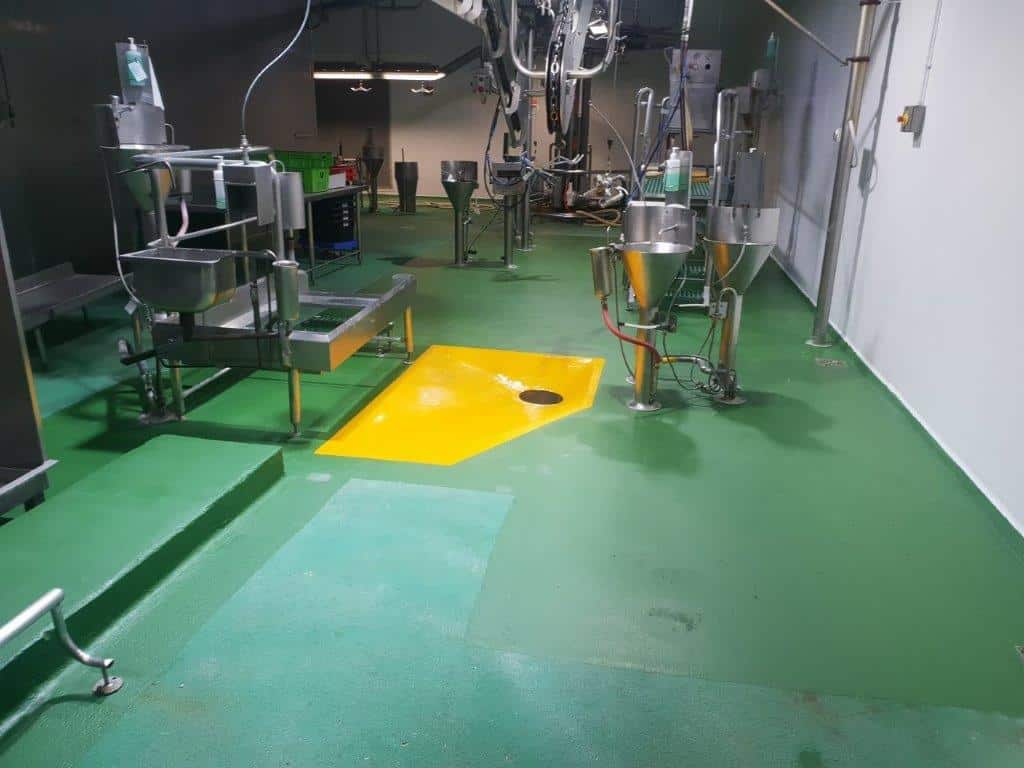
Fat and water underfoot in a room where people carry knives. Grip gets specified accordingly and built into the system so it does not wear away.
Coving everywhere
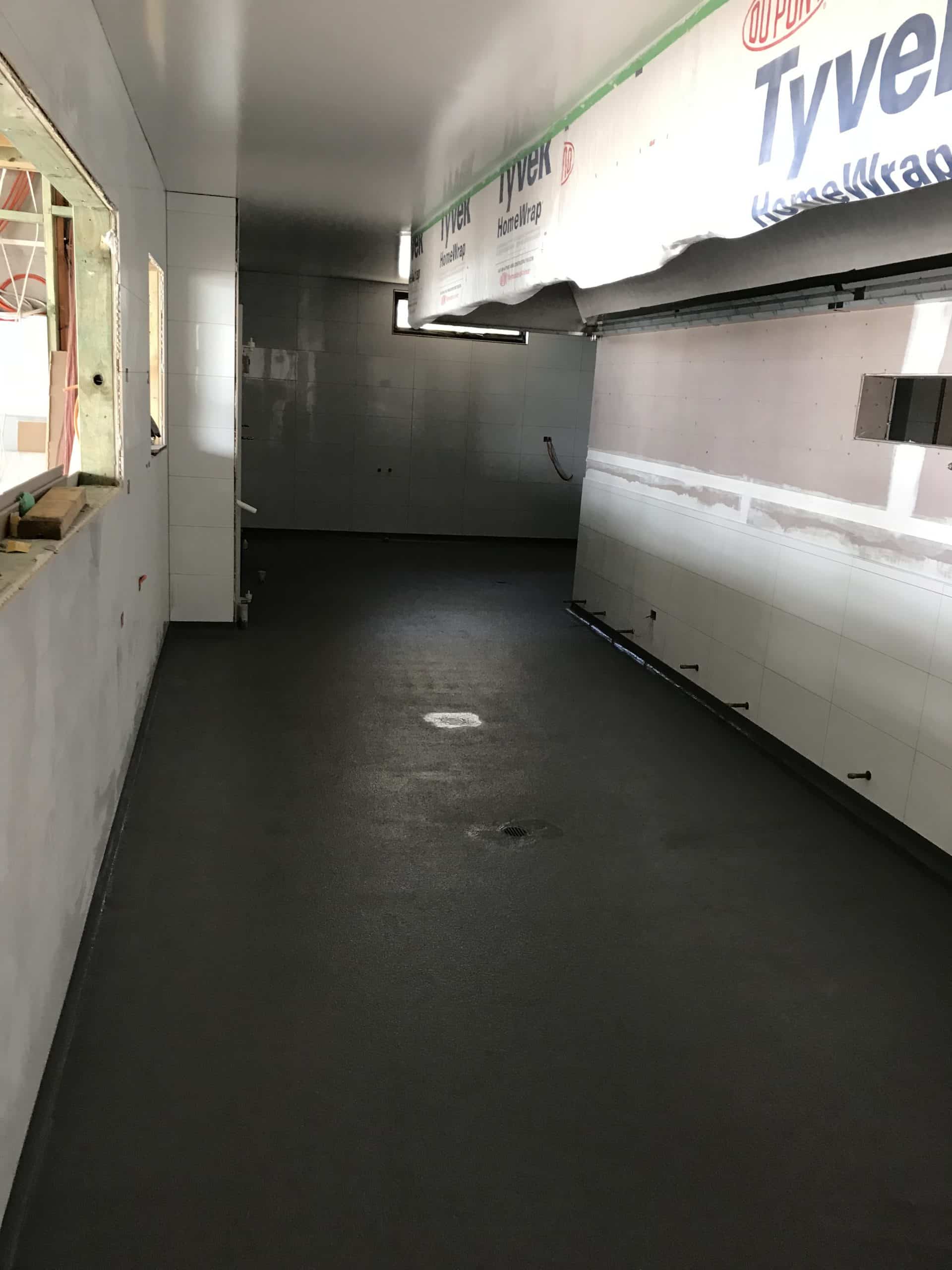
Walls, equipment plinths, drain surrounds. Any right angle in a meat plant is a place product collects and an auditor finds.
Falls to drain, built in
Wash-down water has to leave the floor completely. Where the slab does not fall properly we build it in.
Thickness matched to the room
A slaughter floor and a dry packing room are not the same specification. Underspecifying to save money on the wet areas is how plants end up recoating in two years.
Free Quotes Within 48 Hours
Working Around Production
Meat plants run to a schedule and shutdown windows are short and fixed. We programme to what you have – nights, weekends, planned shutdowns – and stage the work room by room so production continues elsewhere.
For regional and remote WA plants we mobilise with everything needed to complete in one trip.
2+ Year Product & Workmanship Warranty
We offer a 2-year warranty on commercial and a 5-year warranty on residential projects for your lasting peace of mind.
What Our Clients Say
Abattoir Flooring Questions
Why not epoxy?
In dry areas it is fine. In wet processing with daily hot wash-down it will chalk, blister and let go, usually within two to three years.
Can it take our cleaning regime?
Hot water, steam and caustics, yes. We hand over the concentrations and contact times that suit the system.
Will it be slip rated?
Heavily, and the aggregate is part of the system rather than a topcoat, so it does not wear off in the wet areas where you need it most.
Our floor has already failed. Can you go over it?
No. It comes off back to sound concrete. If acid has attacked the slab underneath, that gets repaired first.
Can you fix the drainage?
Yes, falls can be built into the system.
How long is the shutdown?
Depends on the area and the preparation. We stage it around the window you have and give you the programme in writing before we start.