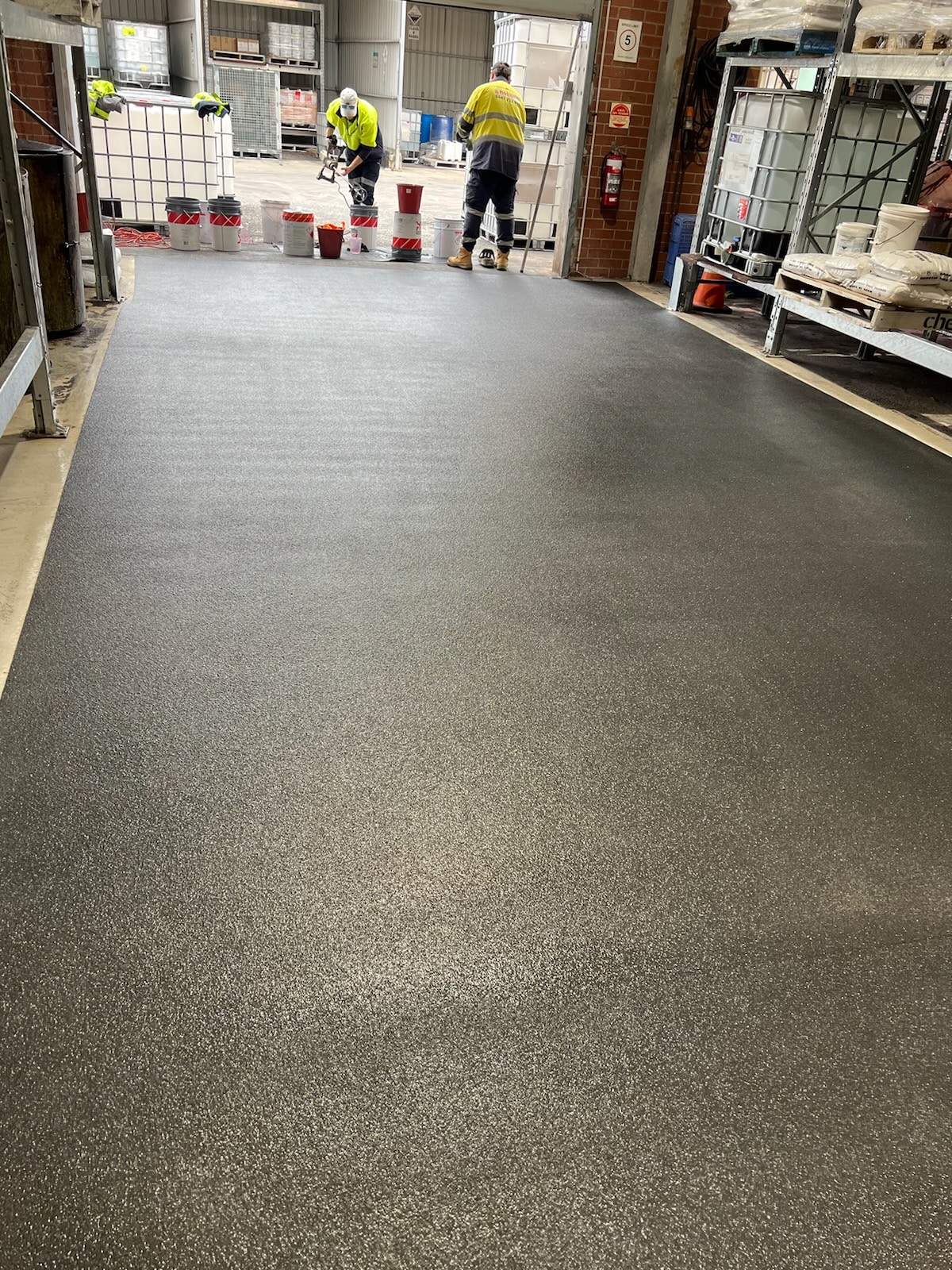
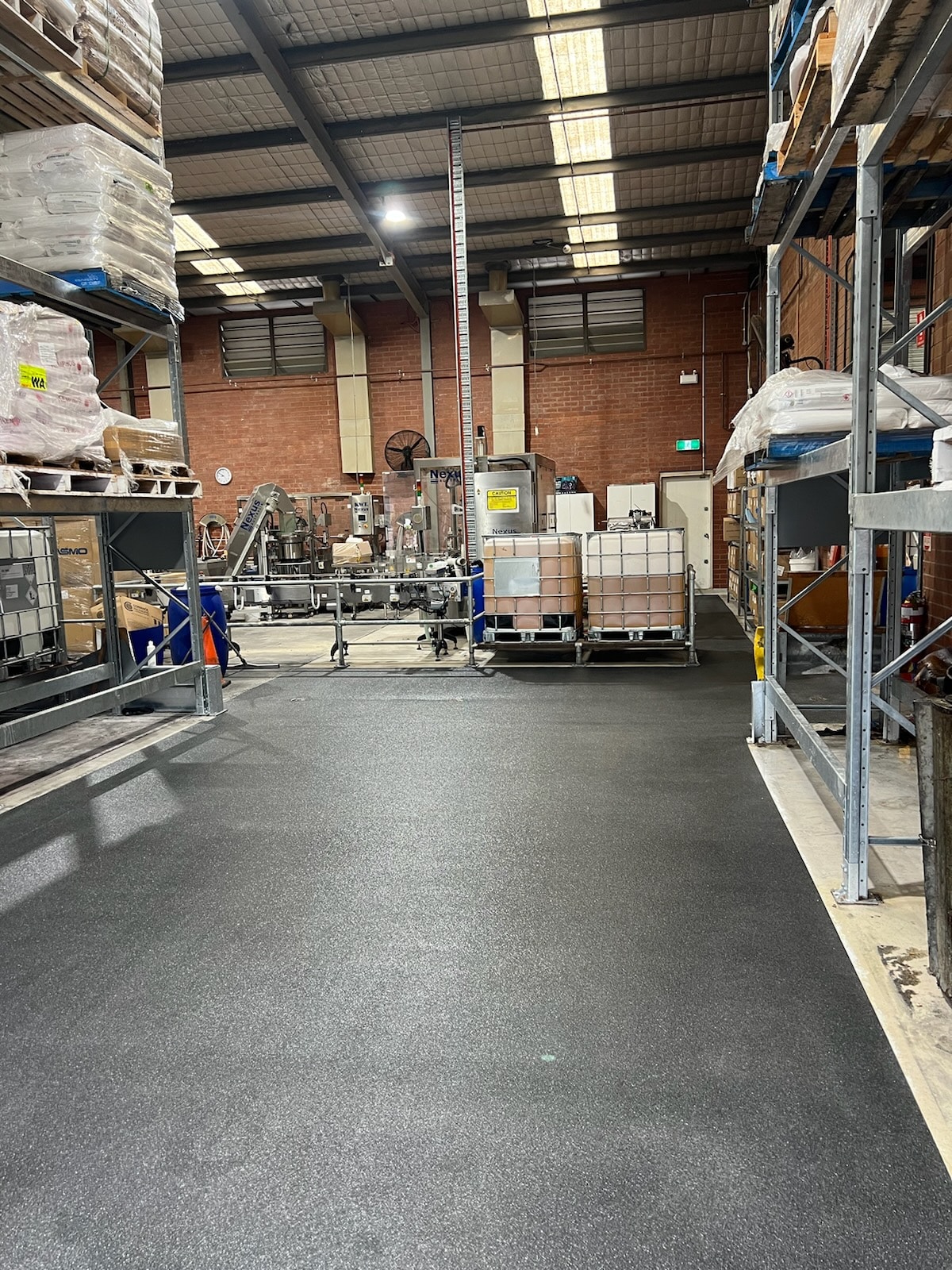
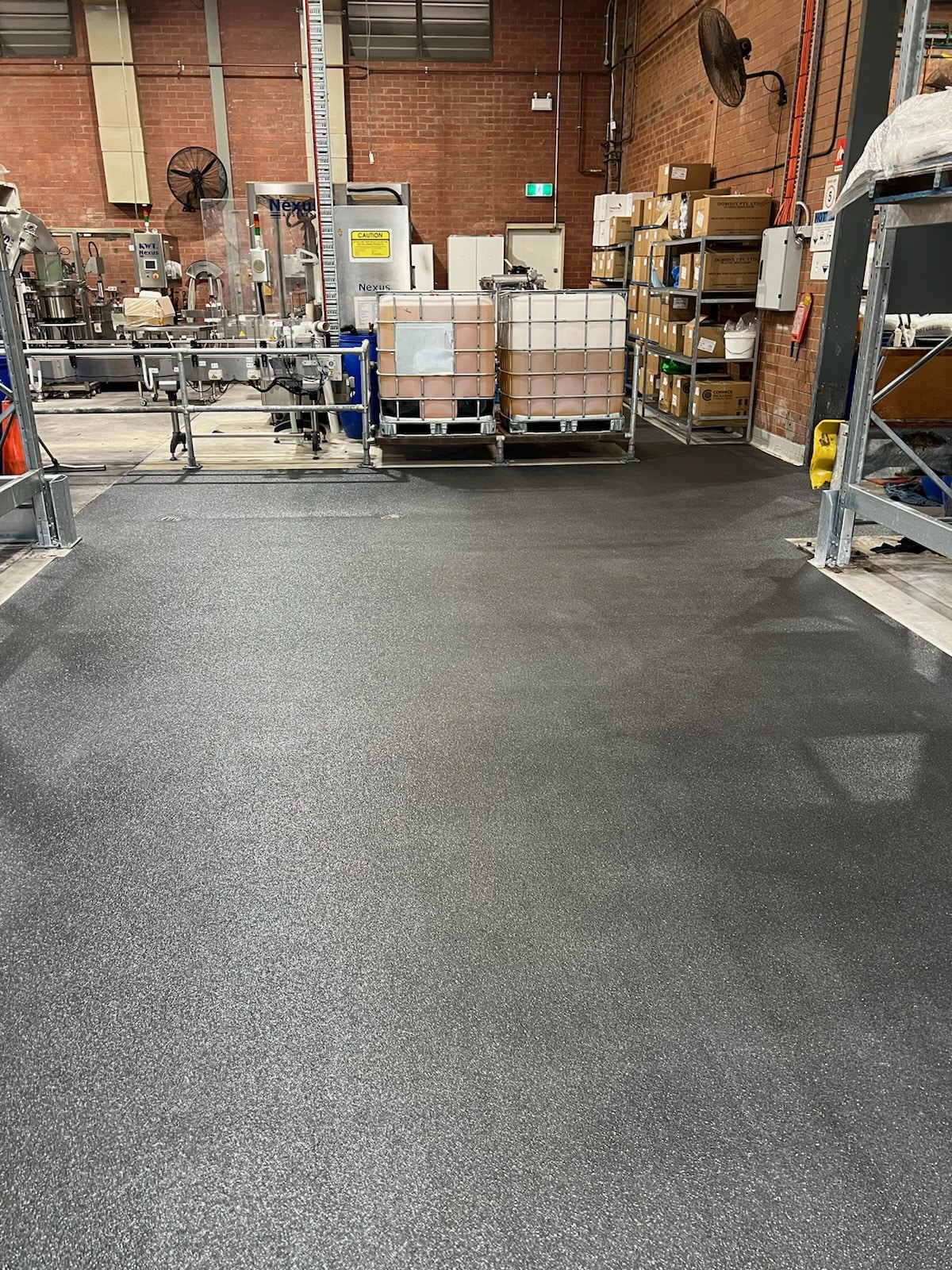
Chemical Resistant Coatings Perth
Floor and bund linings specified against what is actually being handled. Acids, alkalis, solvents and hydrocarbons, in mining, processing and industrial plants across Western Australia.
- Specified against your chemical register, not a generic sheet
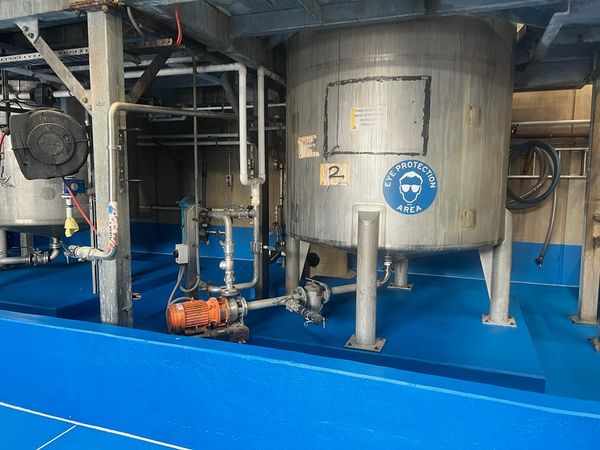
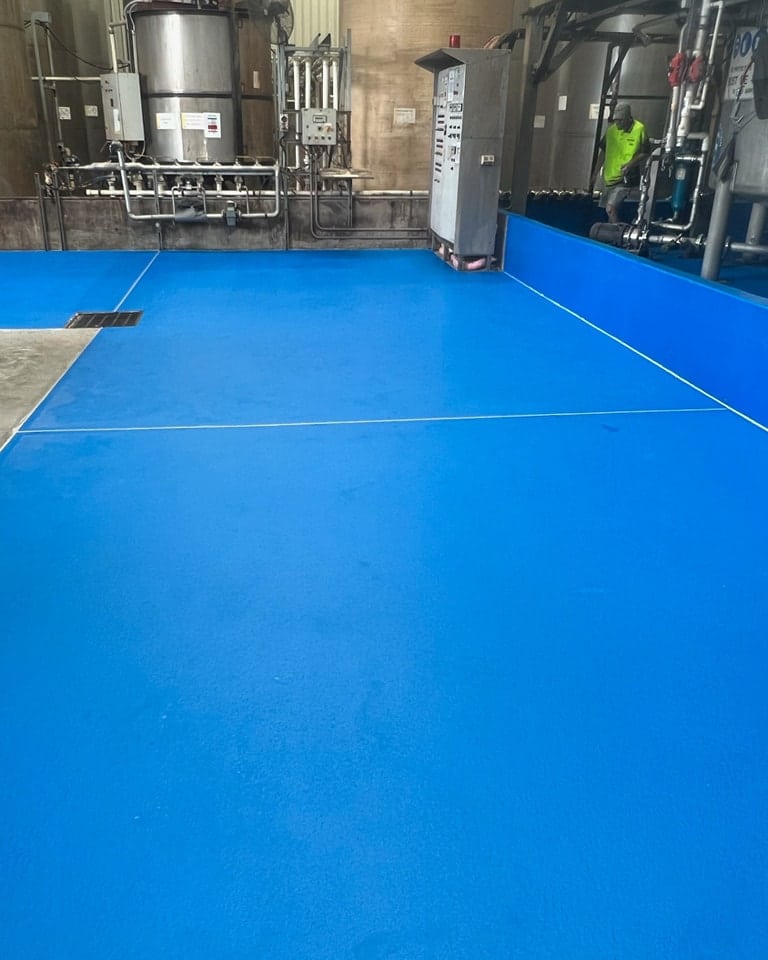
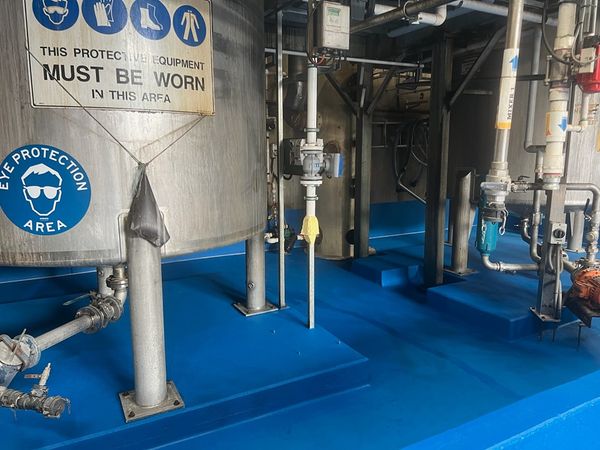
- Bund and containment linings
- Acid, alkali, solvent and hydrocarbon exposure
- Remote and regional WA site work
- 25+ years on industrial and mining sites
Chemical Resistance Is Not One Thing
Chemical resistant on a product data sheet means very little on its own. A coating that shrugs off sulphuric acid can be destroyed by a solvent. One that handles hydrocarbons can fail against a caustic wash.
So the first question we ask is what is actually on your site. Which chemicals, at what concentration, at what temperature, and whether the contact is a splash, an occasional spill or continuous immersion. Those four answers determine the system, and any quote given without them is a guess.
We have been coating industrial and mining floors in WA for more than 25 years, including remote sites where a failed floor means a shutdown and a mobilisation you cannot afford to repeat.
Free Quotes Within 48 Hours
How Chemical Exposure Destroys A Floor
The failures follow a pattern, and they are recognisable from a distance.
Blistering near acid contact points
The coating lifts in domes where acid has worked through and attacked the bond underneath. Usually starts around decant points and pump bases.
Chalking under alkaline wash-down
The surface goes powdery and loses its grip on the concrete. Caustic cleaning is the usual cause and it happens gradually enough that nobody notices until it is widespread.
Peeling at the edges of bunds
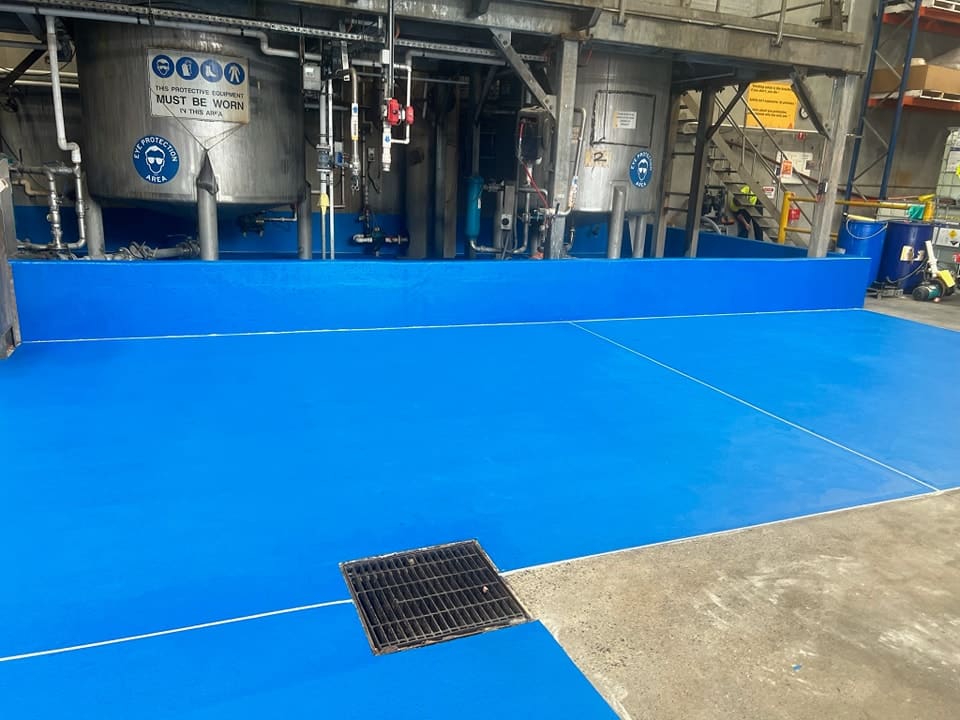
The vertical-to-horizontal junction is where containment linings come apart first, and it is exactly where a lining has to hold.
Softening around solvent handling
The coating goes tacky, picks up dirt and eventually lifts under traffic.
Concrete attack under the coating
The worst outcome. Chemical gets through a failed coating and starts on the slab itself. At that point you are repairing structure rather than recoating.
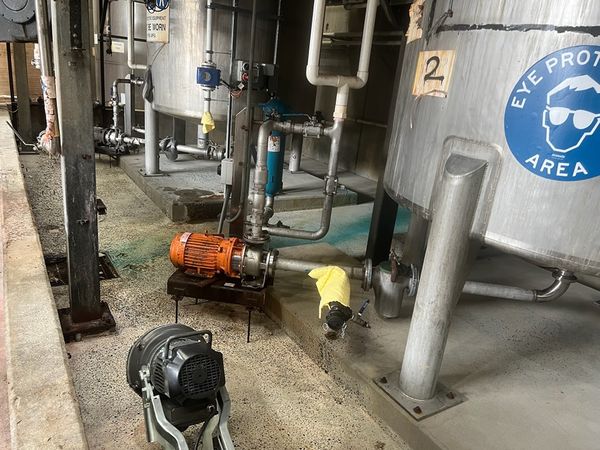
Where These Systems Go In
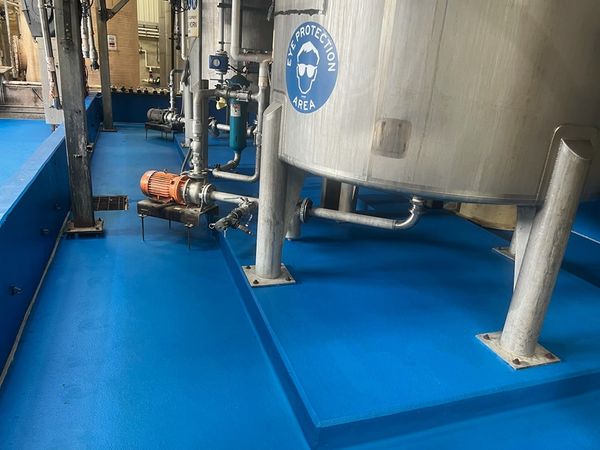
Bunds and containment areas
Battery and charging rooms
Water and wastewater treatment
How We Specify A Chemical Resistant Floor
- The chemical register
We want the actual list – what is handled, at what concentration and at what temperature. If you have SDS documentation, that is the starting point. - Contact type
Splash and occasional spill is a different specification to standing liquid or immersion. Bunds get specified as containment rather than as flooring. - Temperature
Heat accelerates chemical attack, and a chemical that a system handles cold may go straight through it hot. - Traffic and impact
Chemical resistance is not much use if the coating is being chipped away by forklift traffic. The system has to do both jobs. - Slab condition and moisture
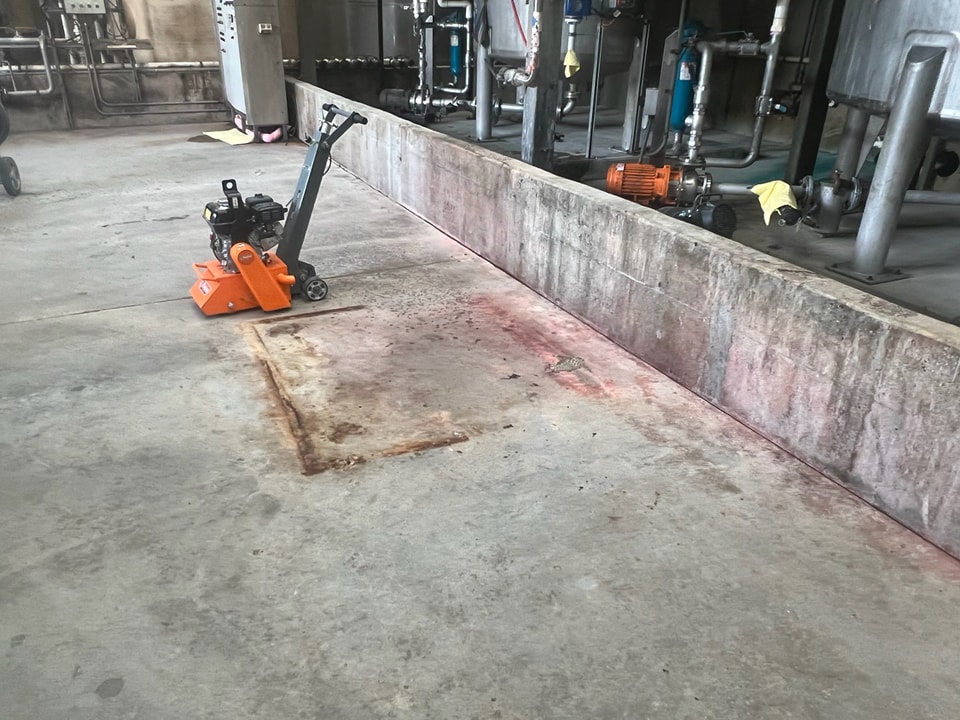
Existing concrete gets tested. Where the slab has already been attacked, remediation comes before any coating goes down.
You get all of this back in writing, so it can go to your engineer or HSE team for review before anything is ordered.
Remote Site Work
A lot of this work is nowhere near Perth. We have run projects from the metro through to remote WA and NT for more than a decade, and we mobilise with everything needed to complete the job in one trip.
That means allowing for the conditions in the specification – ambient temperatures, humidity, access windows, and what happens to a partially cured floor if the schedule slips. Getting a remote floor right the first time matters more than anywhere else, because coming back is not a small thing.
2+ Year Product & Workmanship Warranty
We offer a 2-year warranty on commercial and a 5-year warranty on residential projects for your lasting peace of mind.
What Our Clients Say
Chemical Resistant Coating Questions
Can one coating handle everything on our site?
Rarely, and that is why we specify by area rather than by building. A decant bay, a laboratory and a general plant floor often need three different answers, and it is usually cheaper than putting the heaviest system everywhere.
What information do you need to quote?
The chemical register, the concentrations, the temperatures and how the contact happens. Plus the area, the traffic and the condition of the existing slab.
Can you line an existing bund?
Yes. Bund linings are a large part of this work. The vertical returns and the floor-to-wall junction get detailed as part of the system, because that junction is where linings fail.
Our current floor is already failing. Can you go over it?
No, and nothing should. A failed coating comes off completely, back to sound concrete. If chemical has got through and attacked the slab, that gets repaired before anything is recoated.
How long does it take?
It depends on the area and the preparation. We programme around shutdown windows and stage the work where you cannot release the whole area at once.
Will it be non-slip?
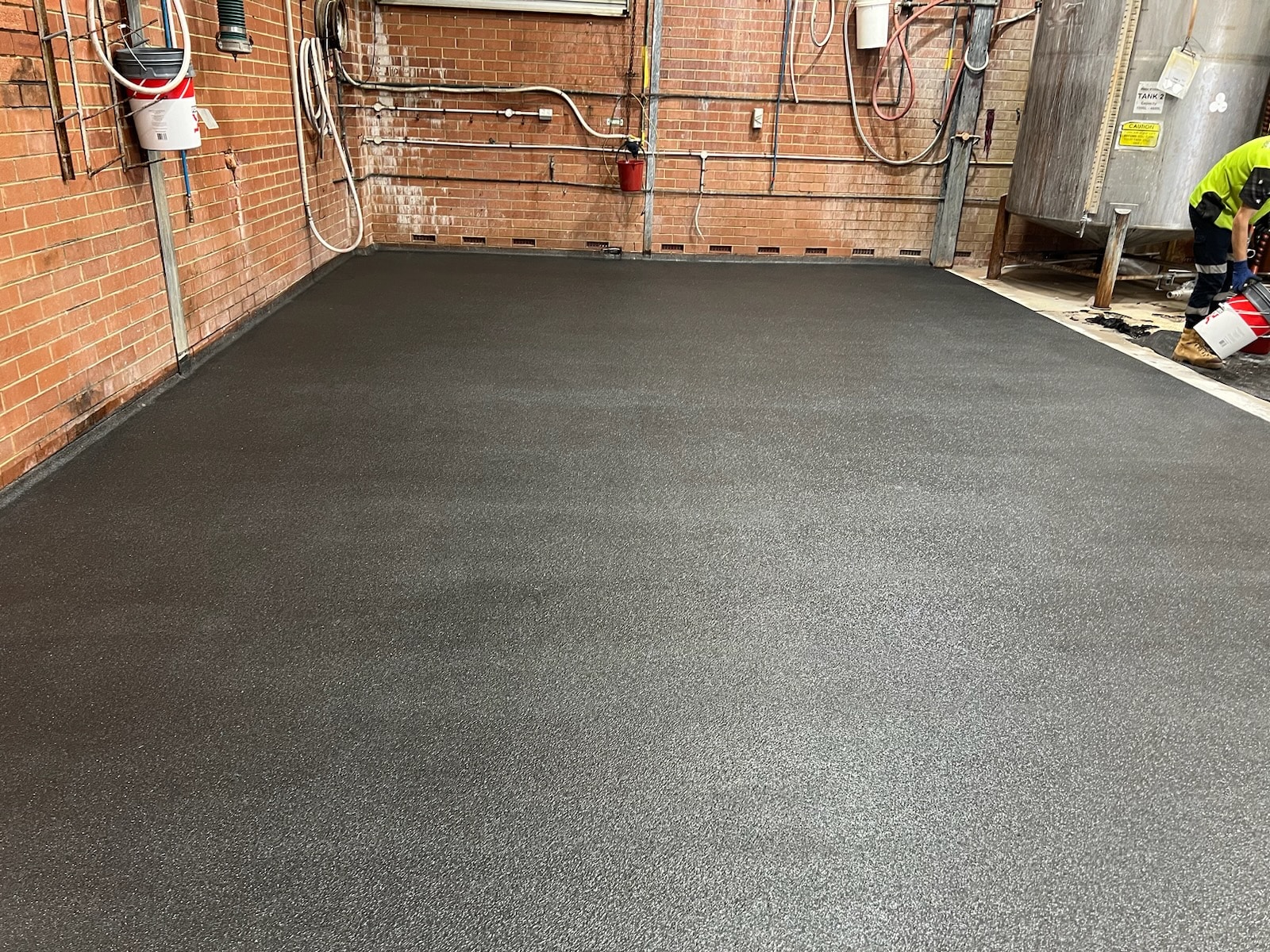
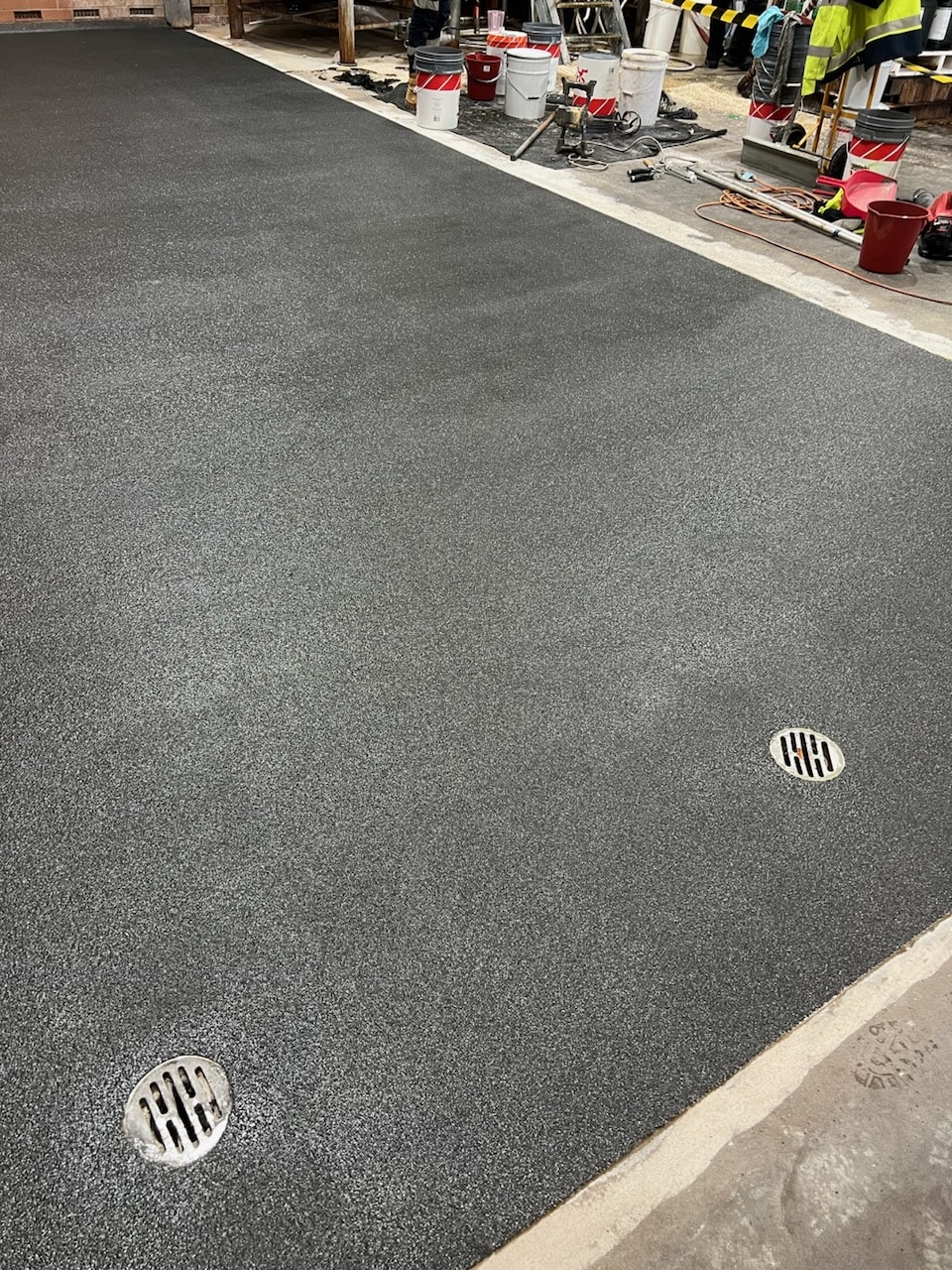
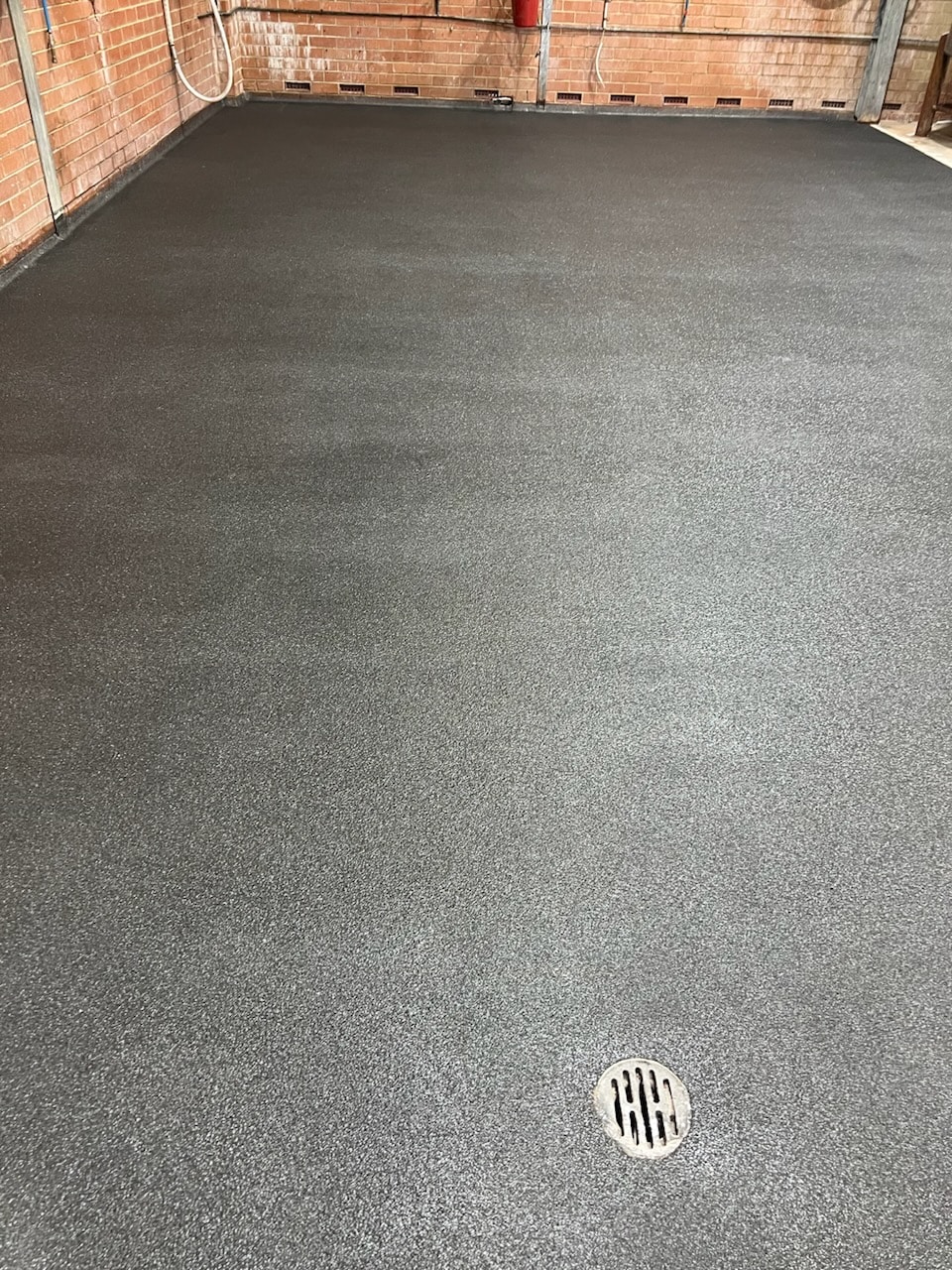
Yes, at whatever level the area needs. Aggregate is built into the system, and we set the grip to match the conditions.
Can it go to our engineer for review?
That is what the written specification is for. It names the system, the build, the slip rating and the preparation method.
Get A Specification And A Price
Tell us what is being handled and where, and we will come out, assess the slab and put a written specification and price in front of you within 48 hours.